 ER Ironworks
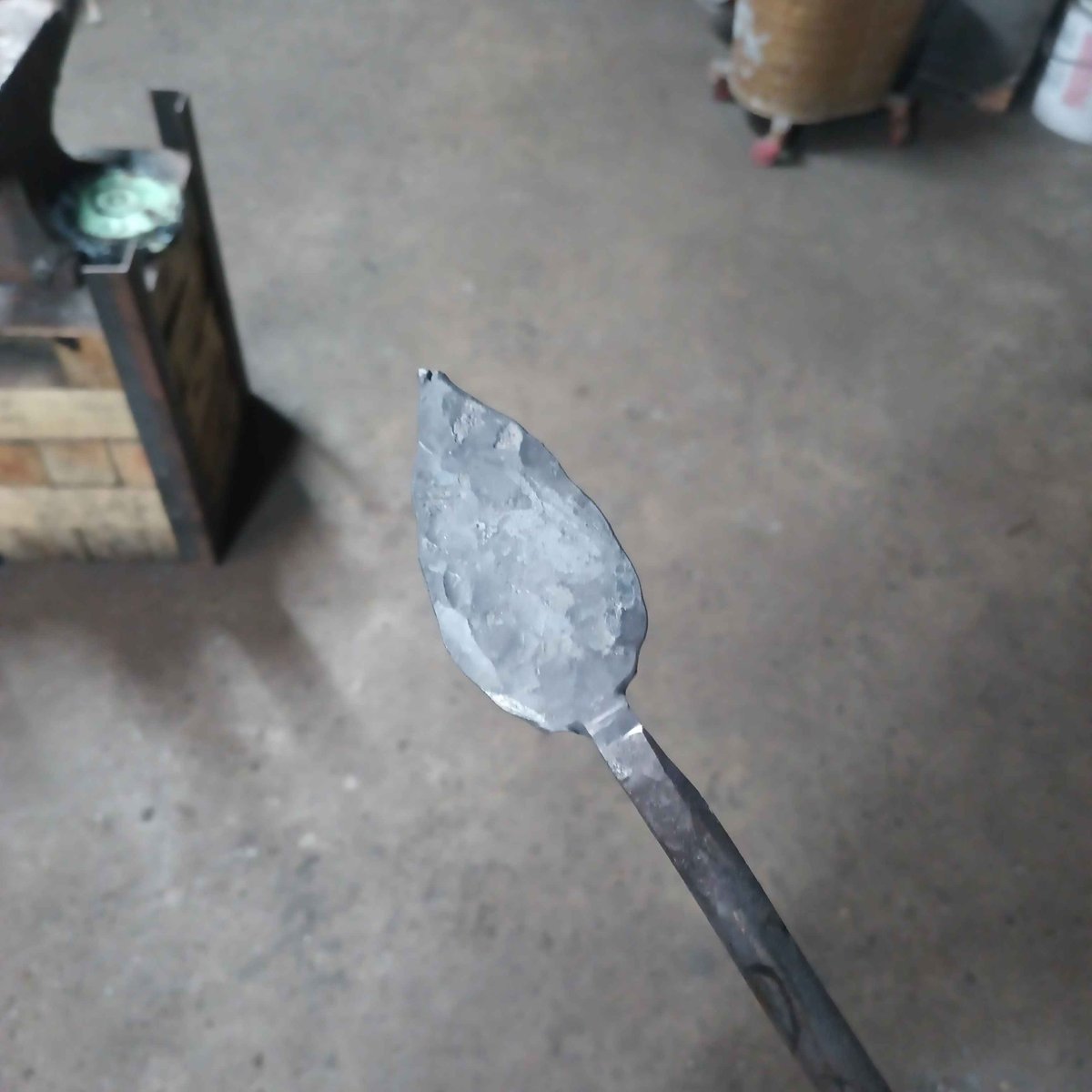
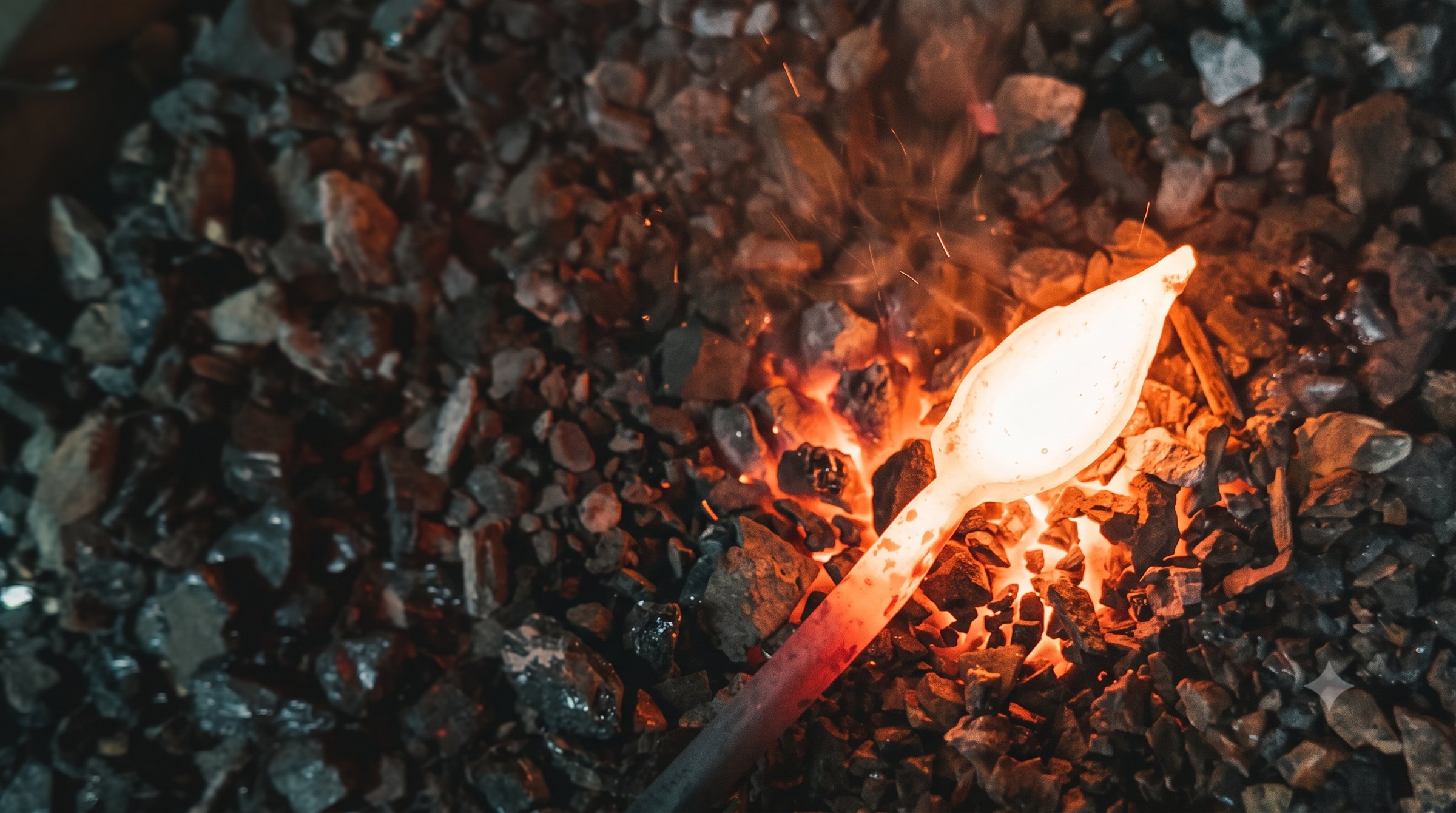
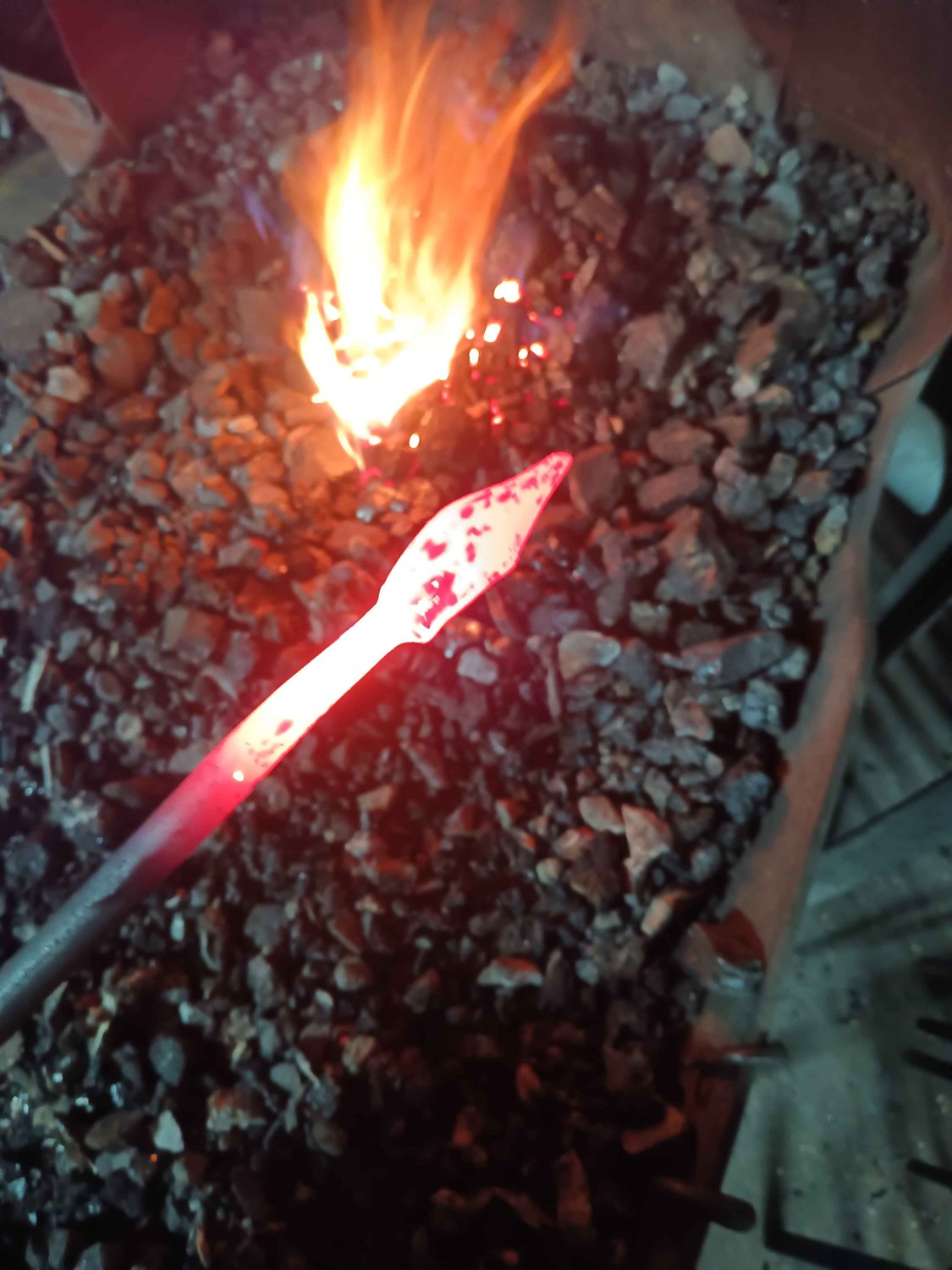
In a world of machines and mass production, I still work the old way — a coal fire, a hammer, and an anvil. Every piece is heated until it glows, shaped by hand, and finished with patience. Nothing here was stamped out. It was forged.
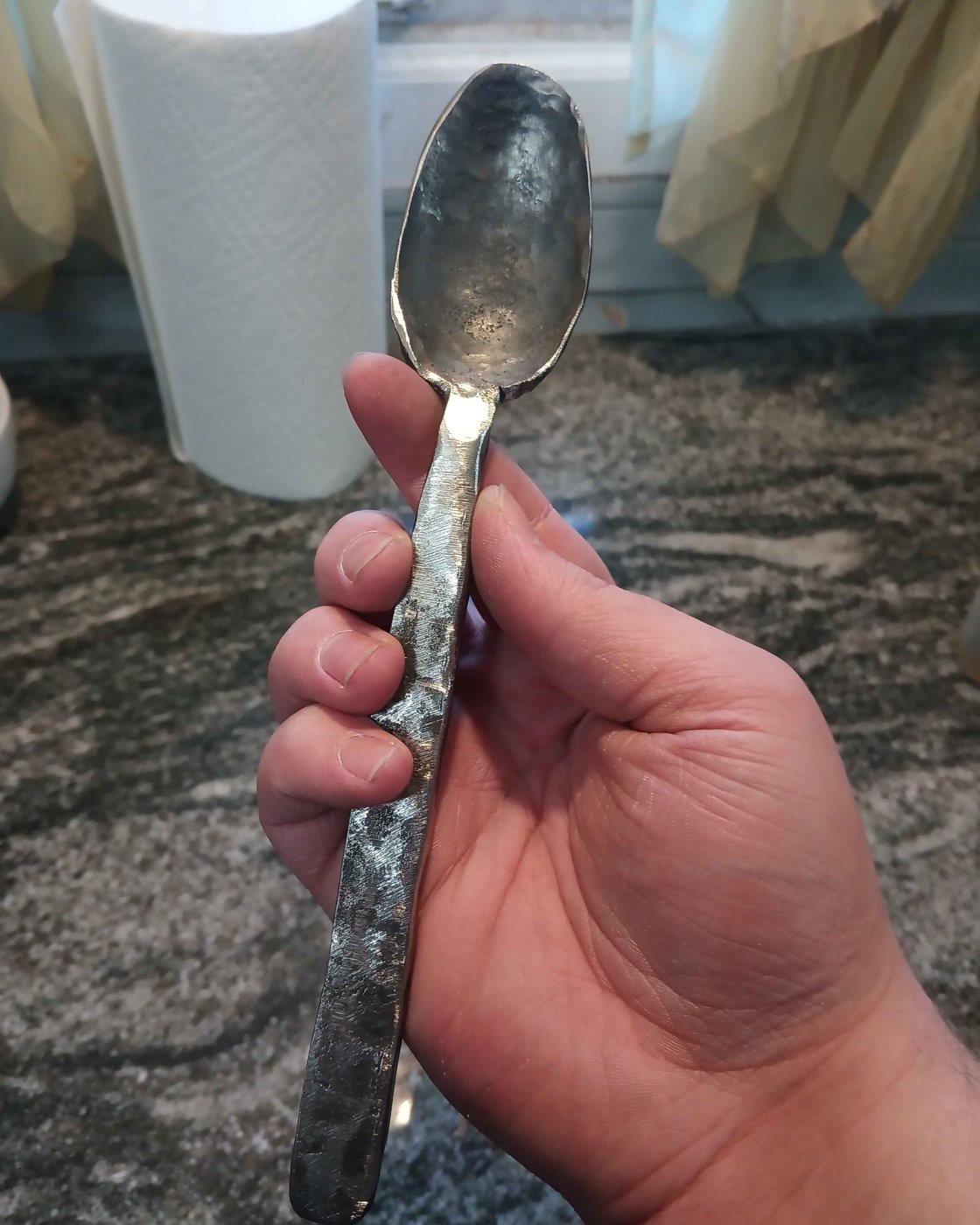
Blacksmithing is one of the oldest trades there is — and one the modern world very nearly left behind. I fell for it anyway. There's something honest about standing over burning coals and coaxing a cold, stubborn bar of steel into something beautiful, with nothing but fire, a hammer, and time.
Every piece I forge carries the marks of a human hand, not a machine — hooks and hardware, tools, décor, and one-off commissions, all made at my forge in Factory Two, a nonprofit makerspace in downtown Flint. And when I'm not at the anvil, I'm teaching others — passing the craft on so the fire keeps burning.
"It's a dying art — and I intend to be one of the reasons it doesn't disappear."
Long before factories, everything made of metal was shaped this way: by hand, at the coal fire, one piece at a time. Most of that knowledge has gone quiet. I'm doing my small part to keep the coals burning — and to pass the craft, and the patience it demands, on to whoever comes next.
The world traded the forge for the factory. I never did — every piece here is shaped by hand, the way it's been done for centuries.
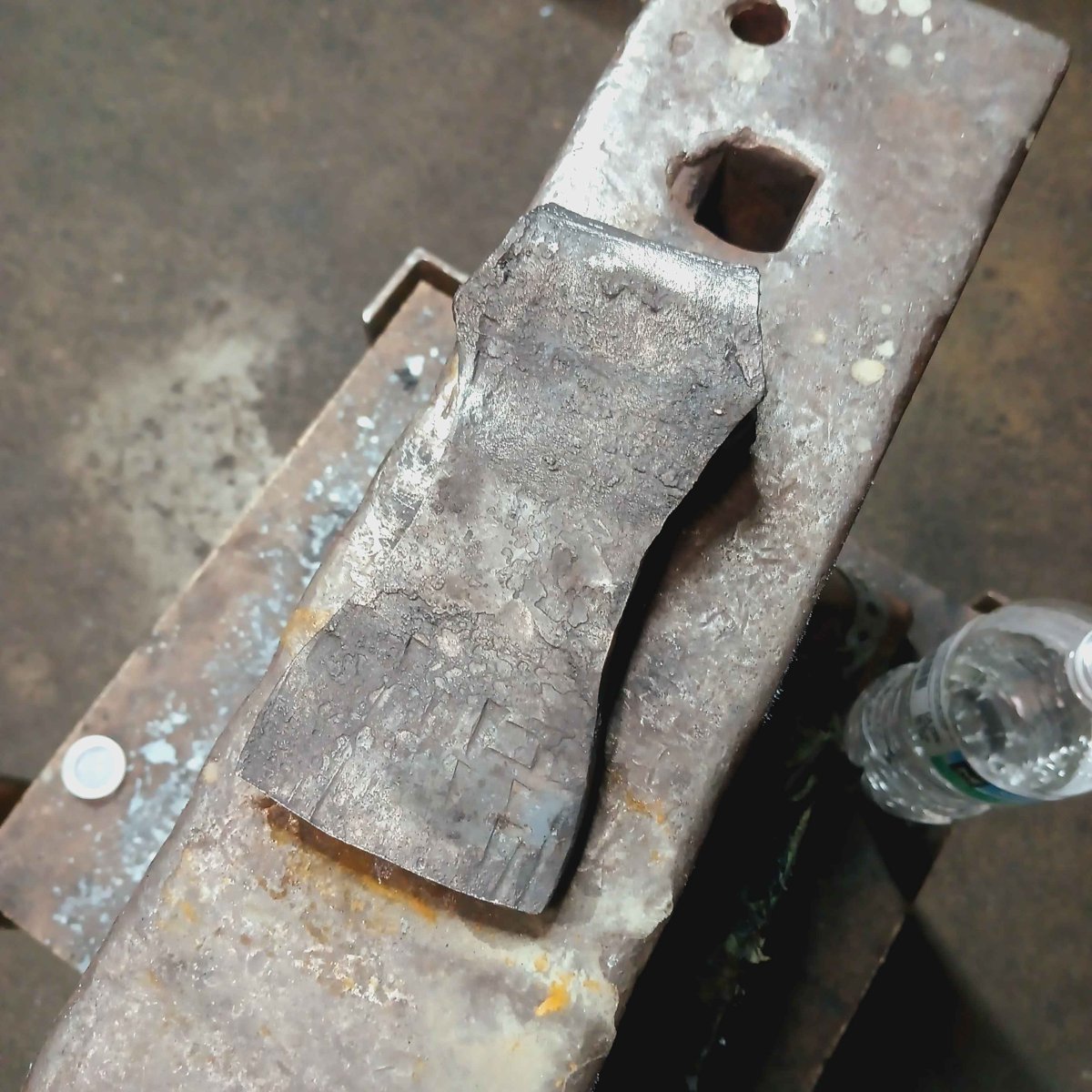
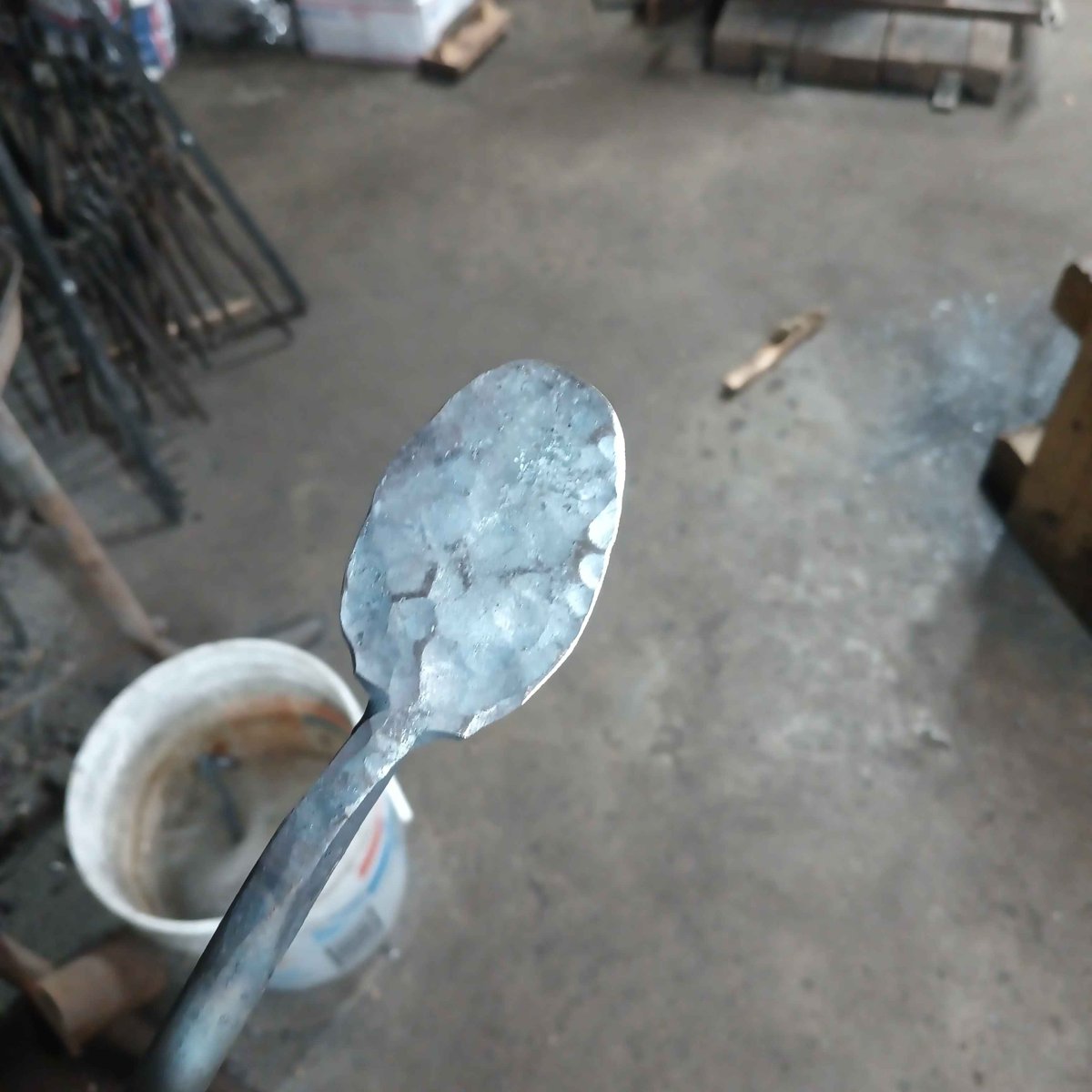
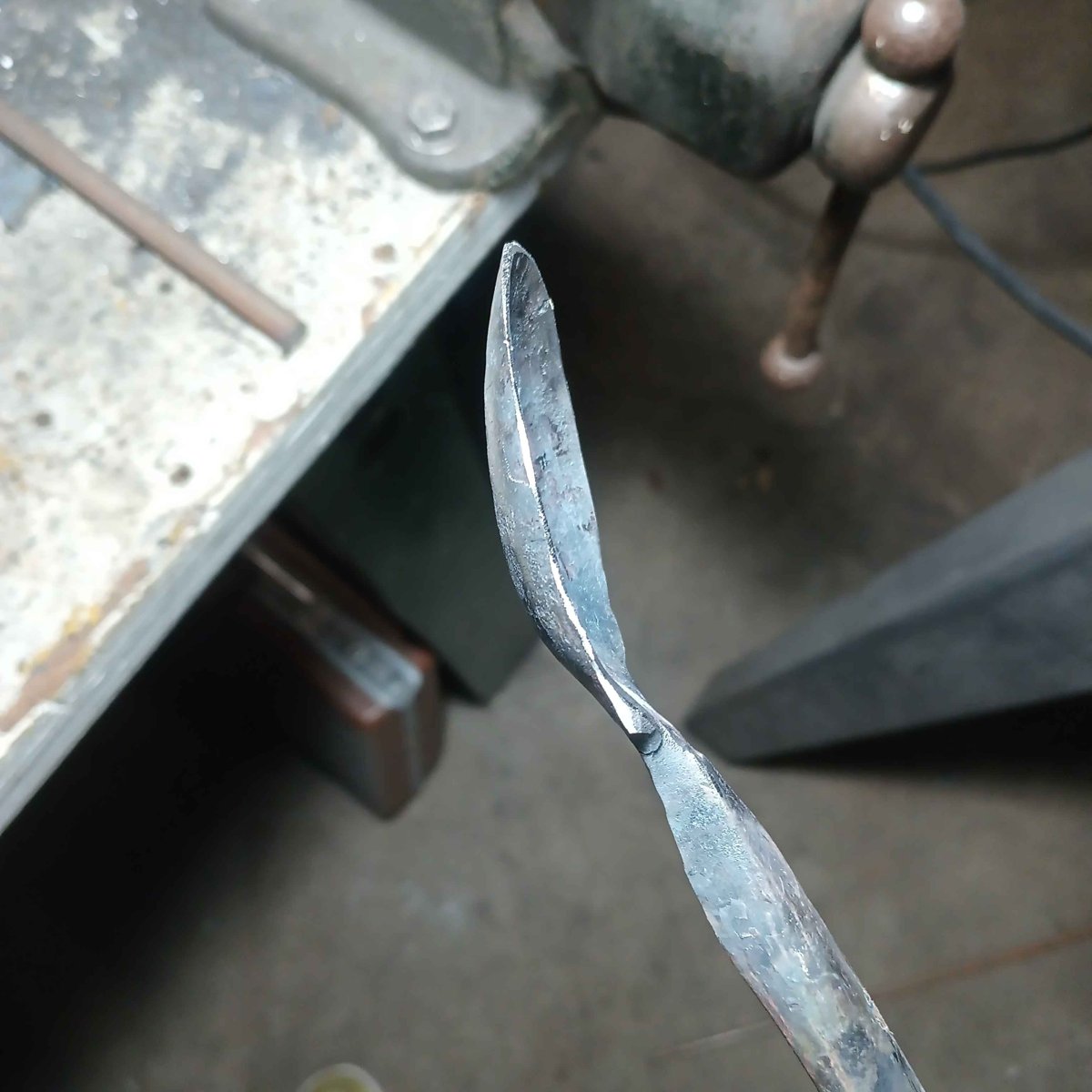
Heated in real coals and shaped on the anvil — no casting, no shortcuts. The hammer marks are part of it.
Nothing is mass-produced. Every piece gets my full attention, from the first heat to the final finish.
Solid steel, done properly. These are the kind of pieces that get handed down, not thrown away.
Blacksmithing is living history — and learning it has led me to places I never expected.
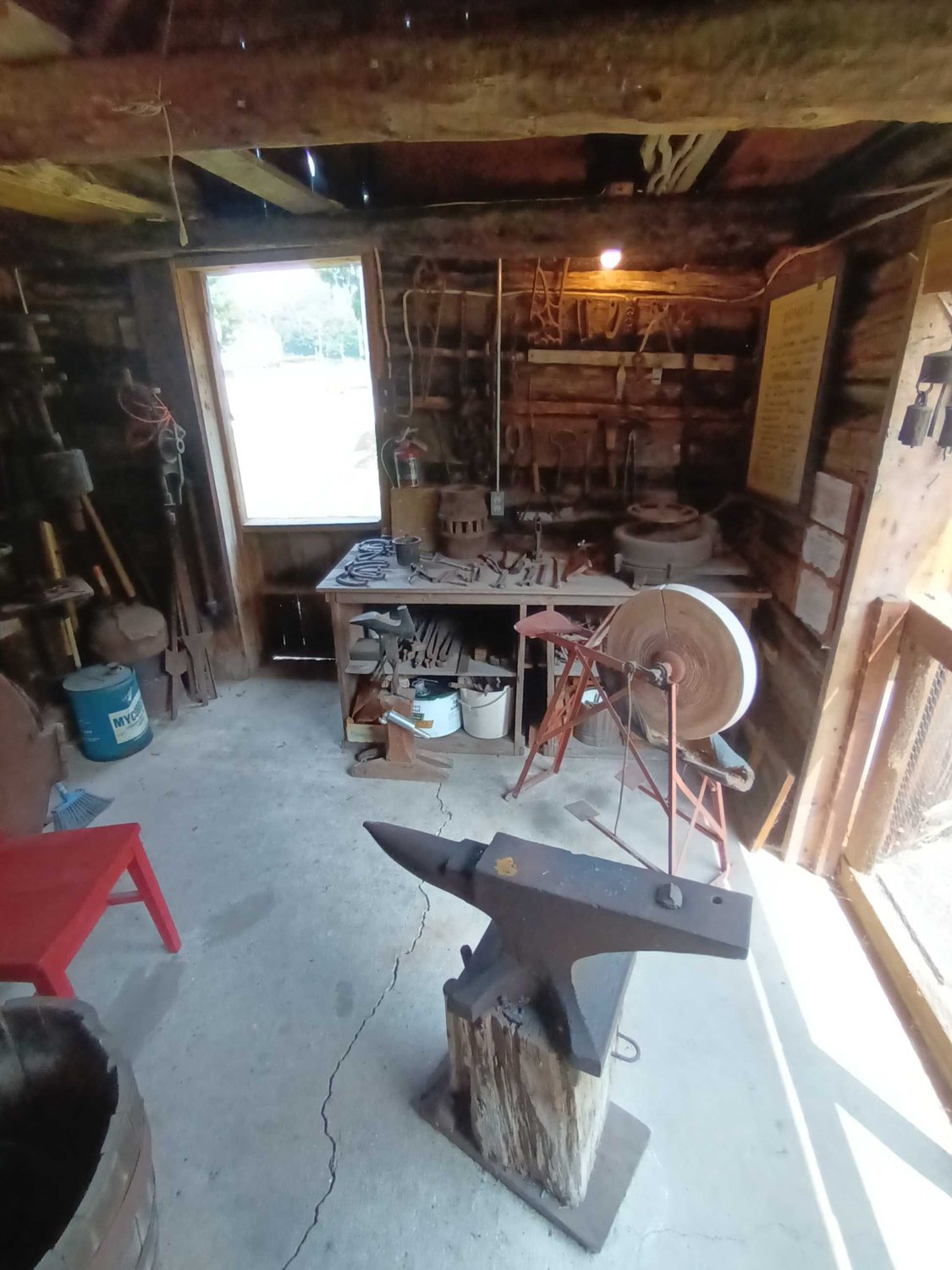
The Pioneer Log Village in Bad Axe opened their blacksmith shop to me for a whole summer so I could keep practicing. A lot of this started there.
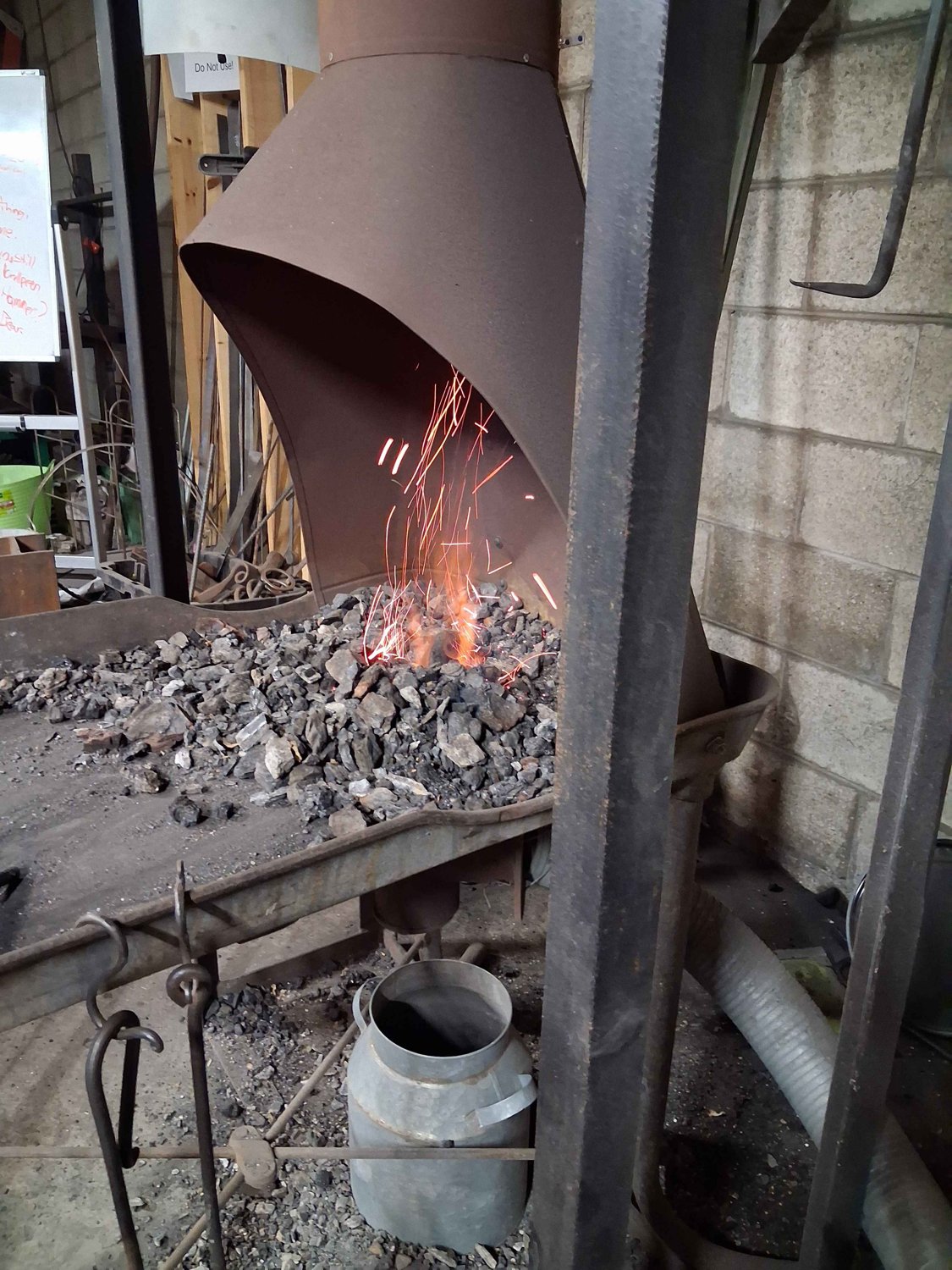
My base at a nonprofit makerspace in downtown Flint — where I forge my work and teach the next round of makers.
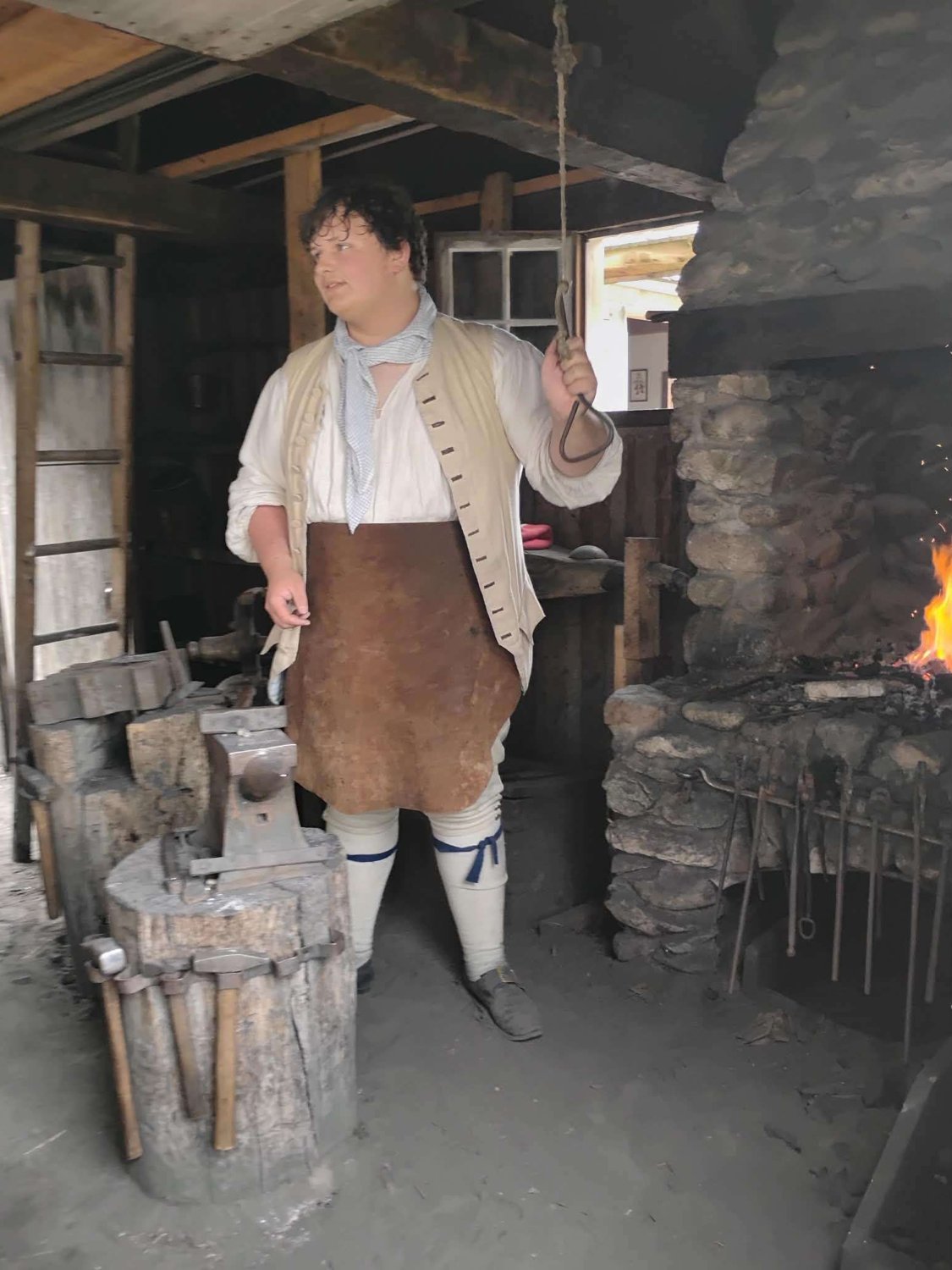
Invited to blacksmith for a few days as a guest at the reconstructed 18th-century fort in Mackinaw City, beside living-history interpreters.
My finished work lives in the ER Ironworks Etsy shop, with new pieces added as they come off the anvil. Looking for something specific? I love a good custom commission.
The surest way to keep a craft alive is to share it. I teach beginner-friendly blacksmithing at Factory Two in Flint — come tend the coals, swing a hammer, and walk away with something you forged with your own hands. No experience needed.
Custom commissions, class questions, or you just want to talk shop — I'd love to hear from you. Every commission starts with a good conversation.